
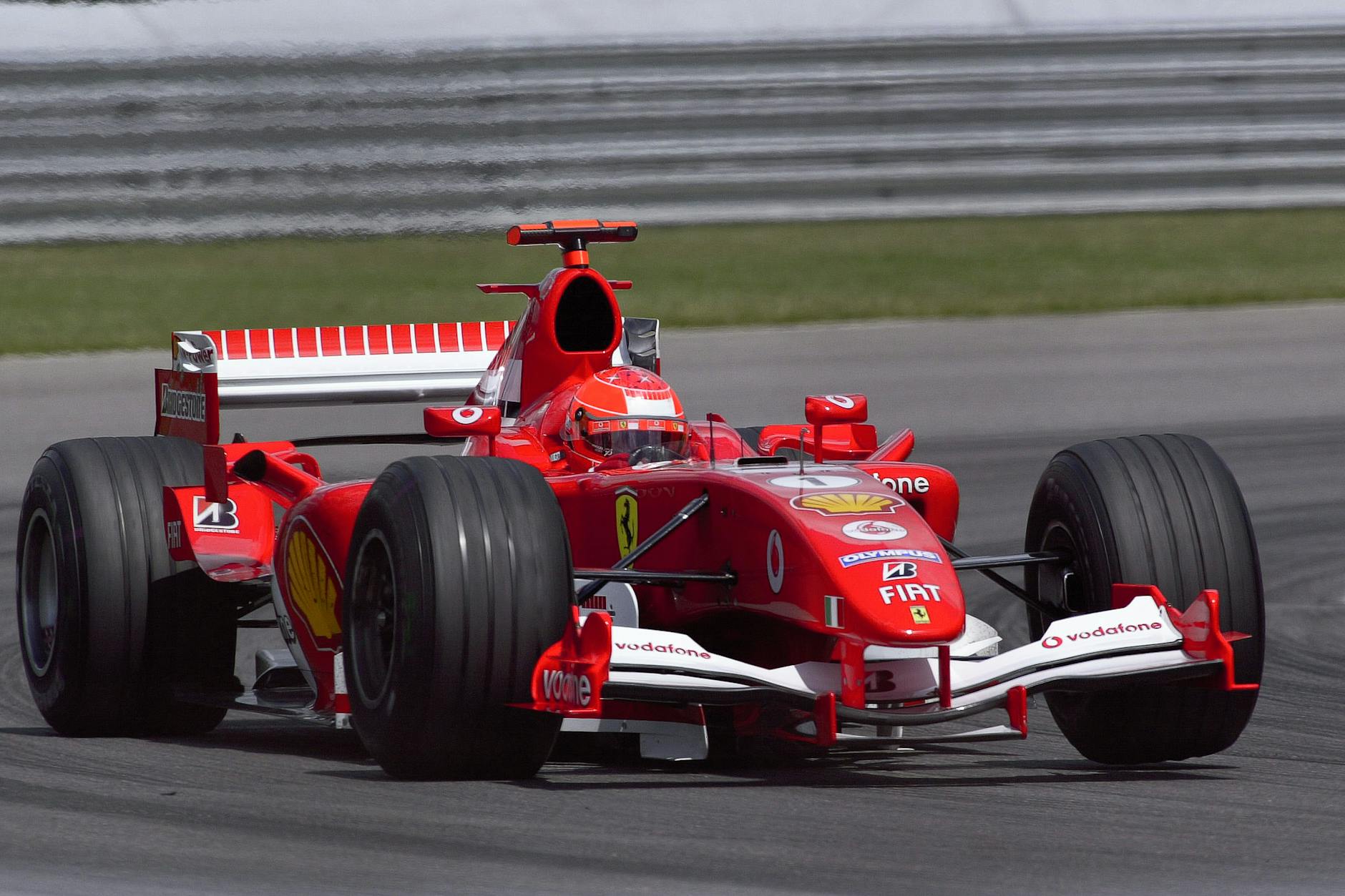
I am always looking for a compelling series to watch while training on the bike or during weekend downtime. Recently, I discovered the Netflix series “Formula 1: Drive to Survive”, which follows Formula 1 racing teams throughout the season. Since the series began in 2018, I find myself catching up on several seasons to reach the current racing year.
After watching the first few episodes, one question came to mind: Why haven’t I been paying attention to Formula 1 racing before now? Given the sport’s growing global popularity, it seems many others have already discovered it. Not to mention that it has some good drama as well.
What initially captured my attention was not just the racing itself, but the interpersonal dynamics and strategic competition within the teams. Each Formula 1 team fields two drivers who, while representing the same team, are also competing directly against one another. This concept of internal competition within a team structure is fascinating.
Growing up, the message I often heard—and repeated as a parent—was that individuals do not need to follow the crowd. Remember the old saying “if everyone was jumping off a bridge, doesn’t mean you have to…”. However, observing the structure of Formula 1 raises an interesting question: Did we over-rotate to a more all for one and one for all model effectively abandoning the team?
More broadly, the model of competition within teams prompted me to reflect on how teamwork has evolved over time. As a member of Generation X, I was raised with a strong emphasis on collective success—competing as a team rather than within it. Today, however, the cultural landscape appears to be shifting.
The rise of social media has amplified a focus on individual visibility and personal achievement. Many platforms encourage individuals to highlight their accomplishments and personal brand. This raises an important question for organizations: has the concept of the team taken a back seat to individual recognition?
Despite these changes, I continue to believe strongly in the power of effective teams. Even in Formula 1—where drivers compete against one another—the success of each driver depends heavily on the engineering, strategy, and operational expertise of the team supporting them. Without that collective effort, performance on the track would not be possible.
The same principle applies in the corporate environment. High-performing organizations recognize that while individual talent is essential, sustainable success comes from well-aligned teams working toward a shared objective. Strong leaders understand how to motivate and coordinate those teams, ensuring that individuals can perform at their highest level.
In many ways, corporate teams resemble the structure seen in Formula 1: talented individuals supported by a highly skilled team, guided by leadership that aligns effort toward a common goal.
This leads to an important question for all of us to consider:
What role do you play within your organization? Are you the leader, the team contributor, or the driver pushing performance forward?
Leave a Reply